Roadway engineering in Chilliwack is far more than laying asphalt—it is the disciplined integration of geotechnical understanding, structural design, and long-term performance under the unique conditions of the Fraser Valley. This category encompasses the full lifecycle of pavement systems, from subgrade investigation and material selection to structural thickness design and maintenance programming. In a city where arterial routes like Vedder Road and Yale Road carry heavy agricultural and commercial traffic, and where residential collector streets must withstand seasonal saturation, a robust roadway is essential to public safety, economic continuity, and municipal asset management. The discipline draws on local geology, climate data, and rigorous standards to deliver pavements that resist rutting, cracking, and frost heave.
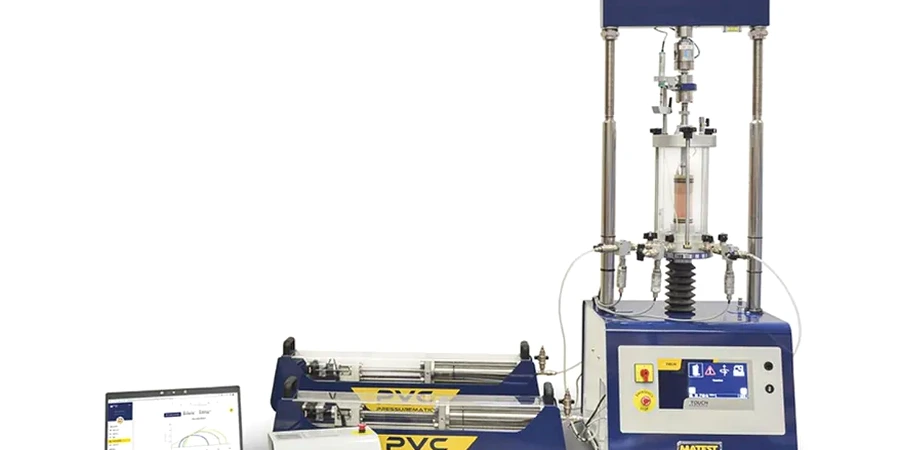
Chilliwack sits on a complex foundation of glaciomarine silts, alluvial deposits from the Fraser River, and pockets of compressible organic soils, particularly in low-lying areas near the Vedder Canal and Sumas Prairie. These soils often exhibit low California Bearing Ratio values, high moisture retention, and moderate to high frost susceptibility. Without proper investigation and treatment—including subgrade stabilization or geotextile separation—roadways in these zones are prone to differential settlement, potholing, and premature fatigue. A thorough CBR study for road design becomes the essential first step, quantifying the strength of the native subgrade and informing the structural design of the overlying pavement layers.
Design and construction in British Columbia are governed by a hierarchy of standards, led by the Ministry of Transportation and Infrastructure’s Technical Circulars and the BC Supplement to the Transportation Association of Canada’s Pavement Asset Design and Management Guide. Municipal projects in Chilliwack also reference the City’s own Subdivision and Development Servicing Bylaw, which dictates minimum structural sections for local and collector roads. These documents mandate design traffic loadings, environmental factors, and material specifications that account for the region’s wet winters and warm summers. Compliance with these norms ensures that both flexible pavement design and rigid alternatives meet the 20- to 30-year service lives expected of modern infrastructure.
The category serves a wide spectrum of project types, each demanding a tailored approach. New subdivision roads require full-depth structural designs that integrate seamlessly with stormwater management and utility corridors. Industrial parkways and truck routes, such as those serving the Chilliwack River Valley quarries, demand high-modulus asphalt mixes and reinforced bases to resist heavy axle loads. Meanwhile, urban rehabilitation projects—mill-and-fill overlays or full-depth reclamations—rely on forensic pavement evaluation to diagnose failures before prescribing a fix. For high-traffic intersections and bus bays, rigid pavement design often provides the durability and resistance to shoving that asphalt alone cannot guarantee. Even rural roads and farm-to-market routes benefit from stabilized gravel surfaces designed to shed water and resist freeze-thaw cycles.
Subgrade soil type is the dominant factor; glaciomarine silts and alluvial clays prevalent in the Fraser Valley are often weak when saturated and moderately frost-susceptible. Drainage, traffic loading from agricultural and industrial vehicles, and seasonal freeze-thaw cycles further dictate performance. A site-specific CBR investigation is essential to quantify these variables and calibrate the structural design to local conditions.
Designs are governed by the Transportation Association of Canada’s Pavement Asset Design and Management Guide, supplemented by the BC Ministry of Transportation and Infrastructure’s technical circulars. At the municipal level, the City of Chilliwack’s Subdivision and Development Servicing Bylaw prescribes minimum pavement structures and material specifications for local, collector, and arterial roadways.
The choice hinges on subgrade strength, traffic loading, and maintenance expectations. Flexible pavements distribute loads through multiple granular and asphalt layers and are generally more economical for residential and collector roads. Rigid concrete pavements offer superior resistance to heavy, channelized traffic and are often selected for industrial yards, bus bays, and high-stress intersections where deformation resistance is critical.
Municipal roadways are typically designed for a 20- to 30-year service life, provided they are constructed on a properly prepared subgrade and receive timely preventative maintenance. This lifespan is achieved by following BC’s design traffic loadings and environmental factors, selecting appropriate material thicknesses, and ensuring positive drainage to keep the subgrade dry throughout the structure’s life.